
Maintaining a HEPA Box is not just about filter replacement but managing system performance over time. Proper maintenance ensures stable airflow, longer lifespan, and ISO GMP compliance.
- How often should a HEPA Box be maintained to ensure stable filtration performance and prevent system degradation?
- What periodic inspection steps are required to detect early deviations in HEPA Box performance?
- Which components of a HEPA Box require maintenance or replacement over time?
- When should the HEPA filter be replaced and what are the key indicators?
- What should be included in a HEPA Box maintenance checklist for GMP compliance and audit readiness?
- Is periodic leak testing required for HEPA Boxes and why is it critical?
- Is periodic DOP/PAO testing required and how often should it be performed?
- Should pressure differential be continuously monitored and what does it indicate?
- Is regular cleaning of HEPA Boxes necessary and what precautions should be taken?
- Should gaskets be inspected periodically and what are the risks if neglected?
- Should airflow be periodically verified and how is it done?
- Should HVAC connections be inspected regularly?
- Are maintenance SOPs required and what should they include?
- Should maintenance logs be recorded and what information should they contain?
- Is maintenance training required for personnel?
- Can HEPA Box performance degrade without maintenance and what are the consequences?
- Can improper maintenance affect the entire system?
- Are periodic inspections required under GMP?
- Should the entire HEPA Box be replaced over time or only components?
- How can an effective HEPA Box maintenance strategy be developed to reduce costs and ensure long-term ISO GMP compliance?
In real-world operation, “VCR Cleanroom Equipment” has found that many systems degrade not due to design flaws but due to lack of structured maintenance strategies and performance monitoring over time.
How often should a HEPA Box be maintained to ensure stable filtration performance and prevent system degradation?
The maintenance interval depends on operating conditions, dust load, and cleanliness requirements, but typically includes monthly, quarterly, and annual inspections to evaluate system performance. Maintenance goes beyond filter checks and includes gasket inspection, airtightness verification, airflow measurement, and pressure differential monitoring. Without proper maintenance, filtration efficiency gradually decreases, airflow becomes unstable, and cleanroom classification may be compromised, affecting GMP audits. A well-planned maintenance schedule extends equipment lifespan and reduces operational costs.
What periodic inspection steps are required to detect early deviations in HEPA Box performance?
Periodic inspections should include measuring pressure differential across the filter to assess loading, checking gasket integrity to ensure no leakage, visually inspecting structural components for damage, and verifying airflow distribution. Additionally, duct connections should be checked for leakage to maintain system integrity. These steps help identify minor issues before they escalate into major system failures.
Which components of a HEPA Box require maintenance or replacement over time?
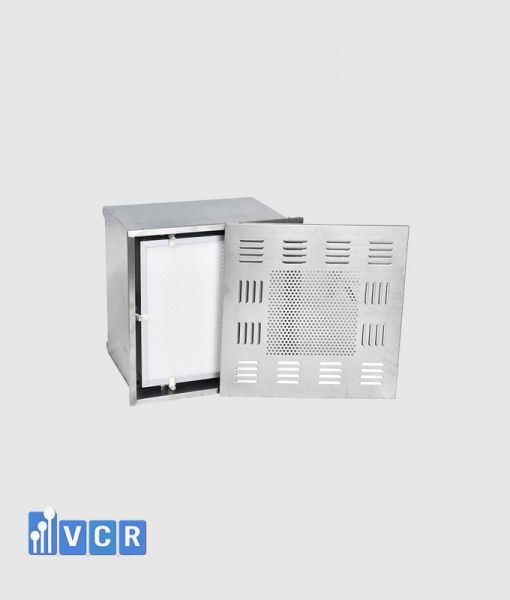
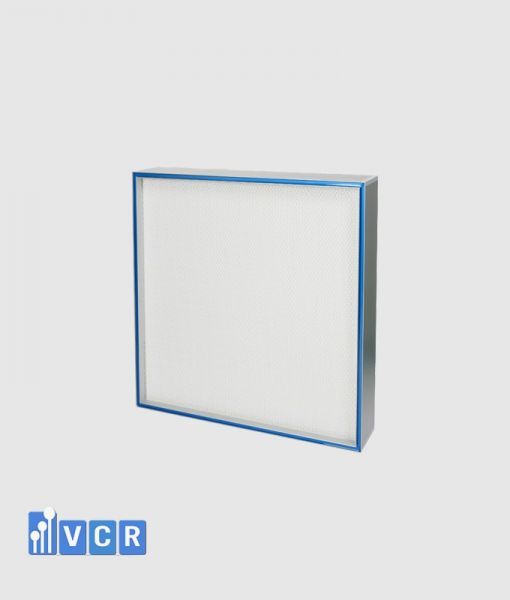
Key components include the HEPA filter, sealing gaskets, filter holding frame, and duct connections, with the HEPA filter being the most critical element requiring periodic replacement due to limited lifespan. Gaskets may degrade over time and must be inspected or replaced to maintain airtightness. Structural components should also be checked for corrosion or wear. Proper maintenance ensures consistent performance and system reliability.
When should the HEPA filter be replaced and what are the key indicators?
The HEPA filter should be replaced when pressure differential exceeds design limits, airflow significantly decreases, or DOP/PAO test results fail to meet required efficiency. Indirect indicators such as failure to achieve cleanliness levels or increased particle counts also signal replacement needs. Timely replacement prevents system overload and maintains air quality.
What should be included in a HEPA Box maintenance checklist for GMP compliance and audit readiness?
A maintenance checklist should include pressure differential checks, filter condition assessment, airtightness verification, airflow measurement, surface condition inspection, DOP/PAO test results, and complete maintenance documentation to ensure compliance with GMP requirements.
Is periodic leak testing required for HEPA Boxes and why is it critical?
Yes, leak testing ensures there is no bypass airflow and maintains filtration efficiency, which is essential for GMP compliance.
Is periodic DOP/PAO testing required and how often should it be performed?
Yes, periodic testing verifies filter integrity and should be conducted according to validation or maintenance schedules.
Should pressure differential be continuously monitored and what does it indicate?
Yes, it indicates filter loading and system performance.
Is regular cleaning of HEPA Boxes necessary and what precautions should be taken?
Yes, cleaning prevents dust accumulation and must be done carefully to avoid damaging the filter.
Should gaskets be inspected periodically and what are the risks if neglected?
Yes, degraded gaskets can cause air leakage and reduce filtration efficiency.
Should airflow be periodically verified and how is it done?
Yes, airflow checks ensure proper distribution and stable environmental conditions.
Should HVAC connections be inspected regularly?
Yes, connections must remain airtight to prevent system inefficiency.
Are maintenance SOPs required and what should they include?
Yes, SOPs standardize maintenance procedures and ensure consistency.
Should maintenance logs be recorded and what information should they contain?
Yes, logs track maintenance history and support audit requirements.
Is maintenance training required for personnel?
Yes, training ensures correct procedures and reduces errors.
Can HEPA Box performance degrade without maintenance and what are the consequences?
Yes, lack of maintenance leads to reduced filtration efficiency, environmental instability, and non-compliance.
Can improper maintenance affect the entire system?
Yes, incorrect maintenance can cause leakage, airflow imbalance, and system failure.
Are periodic inspections required under GMP?
Yes, inspections are required to maintain compliance and system performance.
Should the entire HEPA Box be replaced over time or only components?
Typically, only filters and worn components need replacement, not the entire unit.
How can an effective HEPA Box maintenance strategy be developed to reduce costs and ensure long-term ISO GMP compliance?
An effective strategy combines scheduled preventive maintenance with data-driven monitoring such as pressure differential and airflow trends to determine optimal replacement timing instead of fixed intervals. Standardized SOPs, trained personnel, complete documentation, and regular inspections ensure consistent system control. A well-designed maintenance program extends HEPA Box lifespan, maintains filtration efficiency, stabilizes the environment, and ensures continuous compliance with ISO and GMP throughout the system lifecycle.
Duong VCR