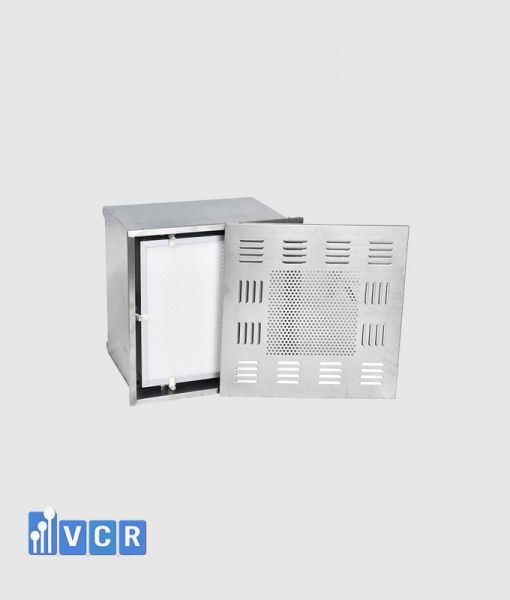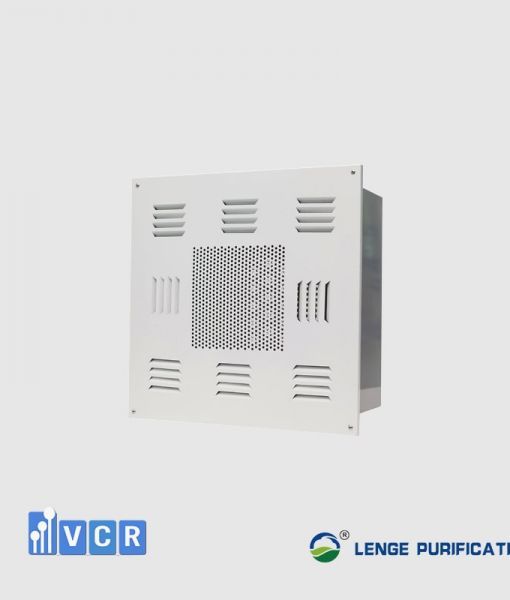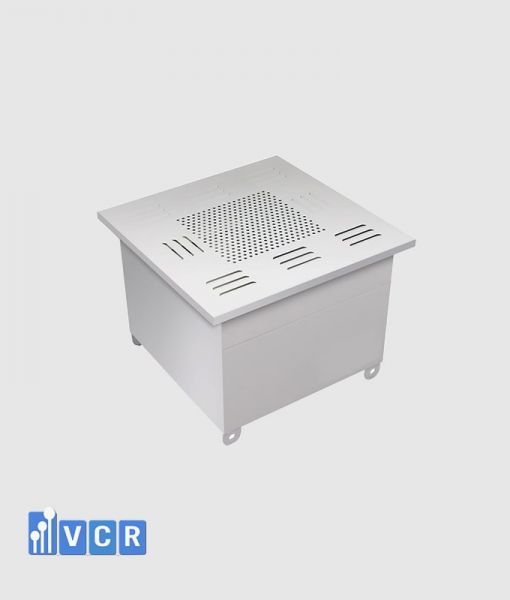

HEPA Box is a critical terminal device in cleanroom HVAC systems, determining the quality of supplied air. Understanding it correctly helps ensure ISO and GMP-compliant design and stable long-term operation.
- What is a HEPA Box in a cleanroom system and why is it considered a critical terminal device?
- What is the function of a HEPA Box in cleanrooms and how does it impact production environments?
- How does a HEPA Box operate within a cleanroom HVAC air supply system?
- What role does a HEPA Box play in maintaining cleanroom classification?
- When should a HEPA Box be used in cleanroom design?
- Is a HEPA Box a standalone device in a cleanroom?
- How does a HEPA Box differ from an FFU?
- Does a HEPA Box require its own power supply?
- What types of particles can a HEPA Box filter?
- How does a HEPA Box affect airflow in a cleanroom?
- Does a HEPA Box impact pressure differentials?
- Is ceiling installation required for HEPA Boxes?
- Must a HEPA Box be connected to HVAC systems?
- Are HEPA Boxes used in sterile cleanrooms?
- Are HEPA Boxes used in electronics manufacturing?
- Do HEPA Boxes require regular maintenance?
- Do HEPA filters in HEPA Boxes need replacement?
- Can a HEPA Box affect the system if operated incorrectly?
- Should HEPA Boxes be inspected regularly?
- Is a HEPA Box a core component of cleanroom systems?
In real-world implementation, “VCR Cleanroom Equipment” has found that HEPA Boxes are often misunderstood, leading to suboptimal airflow design and difficulty achieving standards from the beginning.
What is a HEPA Box in a cleanroom system and why is it considered a critical terminal device?
A HEPA Box is a terminal device in a cleanroom HVAC system designed to house and secure a HEPA filter, ensuring that air is filtered just before entering the controlled environment, making it the final point of air quality control. It is typically installed on the ceiling and distributes clean air into production or research spaces with controlled velocity and direction. If the HEPA Box does not perform correctly, even a well-designed upstream system cannot guarantee compliance with ISO 14644 or GMP standards, which is why it is considered a critical component in environmental control.
What is the function of a HEPA Box in cleanrooms and how does it impact production environments?
A HEPA Box is used to filter and distribute clean air from the HVAC system into the cleanroom, ensuring that supplied air meets required particle and microbial standards. Beyond filtration, it also ensures uniform airflow distribution, supports pressure differential control, and reduces cross-contamination risks. This function is especially important in industries such as pharmaceuticals and electronics, where strict environmental control is required. Proper use of a HEPA Box ensures product quality and system stability.
How does a HEPA Box operate within a cleanroom HVAC air supply system?
A HEPA Box receives pre-conditioned air from the AHU through ductwork, then forces the air through a HEPA filter to remove fine particles and microorganisms before delivering it into the cleanroom. The filtered air is then distributed through a diffuser with controlled velocity and direction to maintain stable airflow without disturbing the environment. This process ensures continuous clean air supply and compliance with ISO and GMP standards.
What role does a HEPA Box play in maintaining cleanroom classification?
The HEPA Box plays a decisive role in maintaining cleanroom classification because it is the final control point for air cleanliness before entering the space, meaning any failure directly impacts particle levels. It ensures that supplied air meets required standards and is evenly distributed to maintain environmental stability. It also supports airflow control and minimizes cross-contamination risks.
When should a HEPA Box be used in cleanroom design?
HEPA Boxes should be used in cleanroom systems requiring strict particle control, especially in industries such as pharmaceuticals, medical devices, and electronics where air quality is critical. They are essential when clean air must be directly supplied into controlled areas while maintaining stable airflow. Proper selection and placement optimize system performance and reduce operating costs.
Is a HEPA Box a standalone device in a cleanroom?
A HEPA Box is not a standalone device but part of the overall HVAC system, working together with AHUs, ductwork, and other components to deliver clean air effectively.
How does a HEPA Box differ from an FFU?
A HEPA Box does not include a fan and relies on the HVAC system for airflow, while an FFU has an integrated fan for localized air control, affecting system design and flexibility.
Does a HEPA Box require its own power supply?
A HEPA Box typically does not require a dedicated power source because it has no fan or motor and operates using airflow from the HVAC system.
What types of particles can a HEPA Box filter?
HEPA Boxes use HEPA filters capable of removing fine particles, microorganisms, and airborne contaminants with high efficiency to meet ISO and GMP standards.
How does a HEPA Box affect airflow in a cleanroom?
As a terminal air distribution point, a HEPA Box directly influences airflow direction and velocity, and improper design can disrupt airflow patterns and environmental control.
Does a HEPA Box impact pressure differentials?
It indirectly affects pressure differentials by controlling supply air volume, which influences pressure balance within the cleanroom.
Is ceiling installation required for HEPA Boxes?
In most designs, HEPA Boxes are installed on ceilings to distribute clean air downward in a controlled manner for optimal performance.
Must a HEPA Box be connected to HVAC systems?
Yes, it must be connected to the HVAC system to receive and filter air; otherwise, it cannot function properly.
Are HEPA Boxes used in sterile cleanrooms?
Yes, they are widely used in sterile environments to ensure high air cleanliness and minimize microbial contamination risks.
Are HEPA Boxes used in electronics manufacturing?
Yes, they are used to control airborne particles and protect sensitive electronic components from contamination.
Do HEPA Boxes require regular maintenance?
Yes, regular maintenance is necessary to ensure filter performance and structural integrity for consistent air quality.
Do HEPA filters in HEPA Boxes need replacement?
Yes, HEPA filters must be replaced periodically or when performance declines to maintain filtration efficiency.
Can a HEPA Box affect the system if operated incorrectly?
Yes, improper installation or operation can disrupt airflow balance and negatively impact the entire cleanroom system.
Should HEPA Boxes be inspected regularly?
Yes, periodic inspection ensures proper operation and early detection of potential system deviations.
Is a HEPA Box a core component of cleanroom systems?
A HEPA Box is a core component because it directly determines the quality of supplied air, which affects overall system performance. If it fails to perform, downstream environmental control becomes ineffective. Therefore, understanding and properly using HEPA Boxes is fundamental to achieving ISO and GMP-compliant cleanroom systems.
Duong VCR