
The design and construction of HEPA Boxes directly determine filtration efficiency and airflow distribution in cleanrooms. Proper understanding helps optimize HVAC systems and ensure long-term ISO and GMP compliance.
- What is the basic structure of a HEPA Box and how does each component function?
- What are the common HEPA Box design types and when should each be used?
- How does a HEPA Box operate within a cleanroom HVAC system?
- What systems can a HEPA Box integrate with to improve performance?
- Why is the HEPA filter the most critical component in a HEPA Box?
- How is the filter holding frame designed to ensure airtightness?
- What is the technical role of gaskets in a HEPA Box?
- How does the diffuser panel affect airflow performance?
- Why is a damper important in HEPA Box design?
- Can HEPA Boxes be designed in modular formats?
- What design features prevent air leakage in HEPA Boxes?
- How do material choices affect HEPA Box performance?
- Can HEPA Boxes be customized for aseptic environments?
- Can HEPA Boxes support unidirectional airflow design?
- Can HEPA Boxes integrate pressure monitoring systems?
- Should HEPA Boxes be designed for easy filter replacement?
- Is leak testing required for HEPA Boxes?
- How does a HEPA Box impact overall HVAC system design?
- Do HEPA Boxes need to follow specific design standards?
- How can HEPA Boxes be optimally designed from the beginning to avoid system issues?
In real-world implementation, “VCR Cleanroom Equipment” has found that many systems fail not because of poor filtration, but due to suboptimal HEPA Box design in airflow distribution and sealing.
What is the basic structure of a HEPA Box and how does each component function?
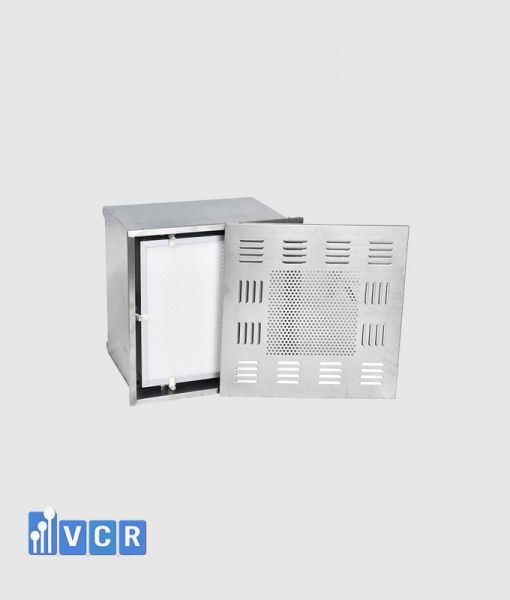
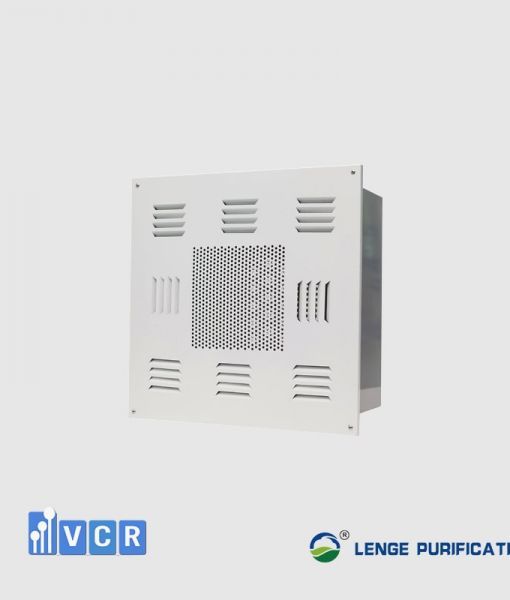
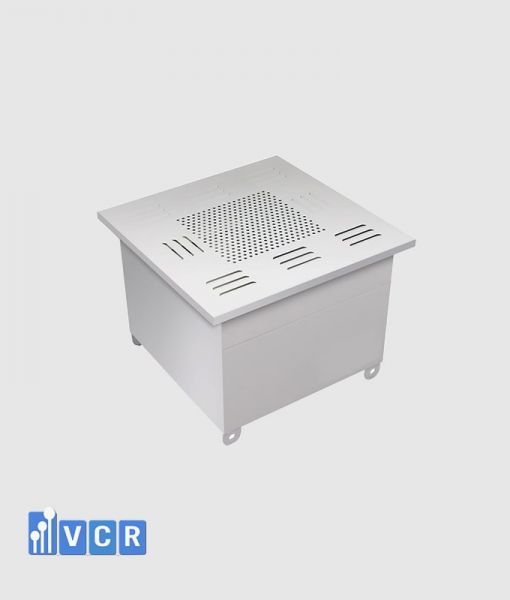
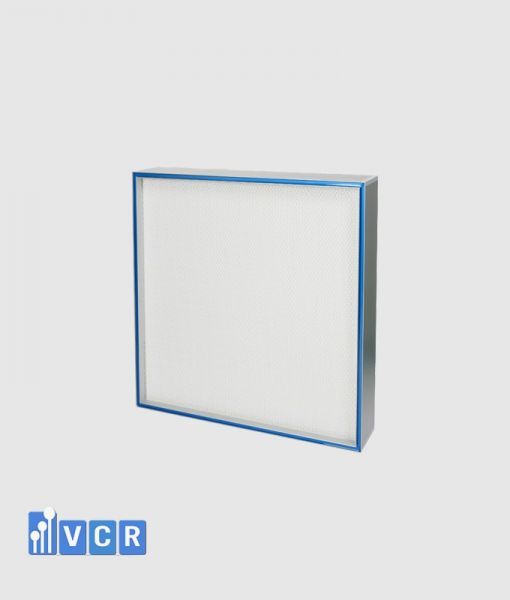
A HEPA Box consists of a housing body, filter holding frame, HEPA filter, air diffuser panel, and sealing gaskets to ensure that all air passes through the filter before entering the cleanroom. The housing is typically made from powder-coated steel or stainless steel for durability and cleanability, while the HEPA filter is the core element responsible for removing particles and microorganisms. The holding frame secures the filter in place, and gaskets prevent air leakage. The precise integration of these components determines overall filtration performance and system stability.
What are the common HEPA Box design types and when should each be used?
HEPA Boxes come in various designs, including diffuser-integrated types, non-diffuser types, laminar flow supply units, and models with adjustable dampers for airflow control, as well as specialized designs for sterile or high-control environments. Selection depends on cleanliness class, airflow requirements, and process characteristics, such as the need for unidirectional airflow in aseptic areas. Incorrect selection can lead to uneven air distribution, turbulence, or dead zones, negatively impacting environmental control.
How does a HEPA Box operate within a cleanroom HVAC system?
A HEPA Box receives pre-conditioned air from the AHU through ductwork and forces it through a HEPA filter to remove fine particles and microorganisms before supplying it into the cleanroom. The filtered air is then distributed through a diffuser at controlled velocity and direction to maintain stable airflow and avoid turbulence. This ensures that supplied air consistently meets ISO 14644 and GMP standards while maintaining environmental stability during operation.
What systems can a HEPA Box integrate with to improve performance?
HEPA Boxes can integrate with central HVAC systems, airflow control systems, environmental monitoring systems, and differential pressure control systems to create a coordinated solution. This integration enables better control of airflow, pressure, and air quality, while also allowing real-time monitoring and adjustments. Proper integration transforms the HEPA Box from a passive component into an active part of a smart environmental control system.
Why is the HEPA filter the most critical component in a HEPA Box?
The HEPA filter is the most critical component because it directly determines the quality of air supplied into the cleanroom by removing fine particles and microorganisms with high efficiency. If the filter does not perform correctly, the entire downstream system loses effectiveness, making proper selection and sealing essential.
How is the filter holding frame designed to ensure airtightness?
The frame is designed with high precision to securely hold the HEPA filter in place and eliminate gaps that could allow unfiltered air to bypass the filter, often using uniform clamping mechanisms.
What is the technical role of gaskets in a HEPA Box?
Gaskets ensure airtight sealing between components, preventing air leakage and ensuring that all airflow passes through the HEPA filter.
How does the diffuser panel affect airflow performance?
The diffuser distributes air evenly and reduces velocity, preventing turbulence and maintaining stable airflow within the cleanroom.
Why is a damper important in HEPA Box design?
A damper allows airflow adjustment to match design requirements, helping maintain proper pressure balance and airflow distribution.
Can HEPA Boxes be designed in modular formats?
Yes, modular designs allow easier installation, replacement, and maintenance, improving flexibility and reducing downtime.
What design features prevent air leakage in HEPA Boxes?
Airtight construction, high-quality gaskets, and precise filter sealing mechanisms ensure no bypass air occurs.
How do material choices affect HEPA Box performance?
Materials such as stainless steel or powder-coated steel affect durability, cleanability, and long-term stability in cleanroom environments.
Can HEPA Boxes be customized for aseptic environments?
Yes, they can be designed with enhanced sealing, airflow control, and contamination control features for sterile applications.
Can HEPA Boxes support unidirectional airflow design?
Yes, when properly configured and positioned, they support laminar airflow in high-grade cleanrooms.
Can HEPA Boxes integrate pressure monitoring systems?
Yes, they can include differential pressure monitoring to track filter performance and detect issues early.
Should HEPA Boxes be designed for easy filter replacement?
Yes, easy replacement design reduces downtime, improves maintenance efficiency, and ensures continuous operation.
Is leak testing required for HEPA Boxes?
Yes, DOP or PAO testing is required to verify filter integrity and ensure no leakage.
How does a HEPA Box impact overall HVAC system design?
As the terminal component, it directly affects air distribution, pressure balance, and overall system performance.
Do HEPA Boxes need to follow specific design standards?
Yes, they must comply with ISO 14644 and GMP requirements to ensure effective operation.
How can HEPA Boxes be optimally designed from the beginning to avoid system issues?
Optimal design requires defining cleanliness class, airflow rate, pressure differentials, and operational conditions, then selecting appropriate configurations including size, filter type, installation position, and system integration. Additionally, airtight construction, maintainability, and compliance with ISO and GMP standards must be ensured from the start. A well-designed HEPA Box enables stable system operation, reduces maintenance costs, and ensures long-term performance.
Duong VCR